Poppy
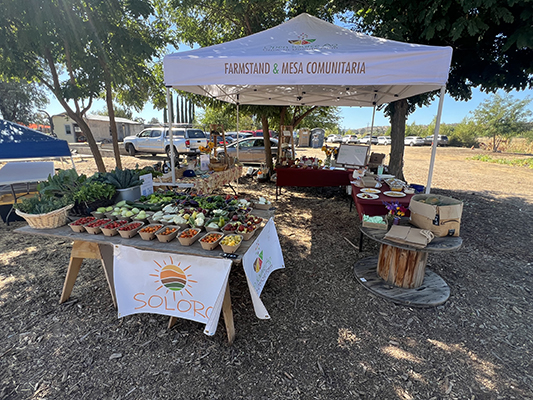
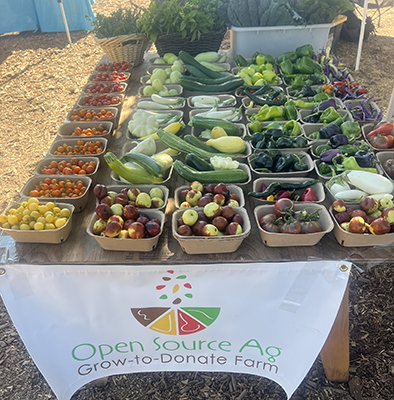
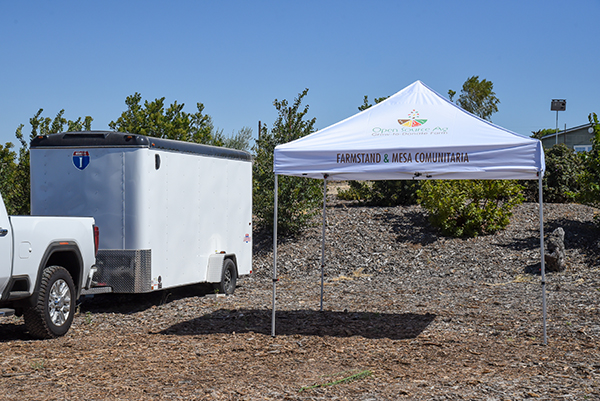
Poppy is our box trailer that serves as a mobile farm stand / mesa communitaria Proof of Concept offering fresh, chemical-free produce to vulnerable populations in a socially supportive environment that promotes learning and healthy eating habits. Participants include those whose economic, health-related, or social circumstances make them likely to experience hunger or inadequate nutrition and who rely on free food assistance to meet their basic needs.
We are setting up to serve food-insecure communities, primarily farmworkers, domestic employees, seniors, and service workers, on weekends when food pantries and banks, and meal programs are closed. The price we charge for filling a bag is $0 – $2.00 because the working people we collaborate with are not interested in a handout.
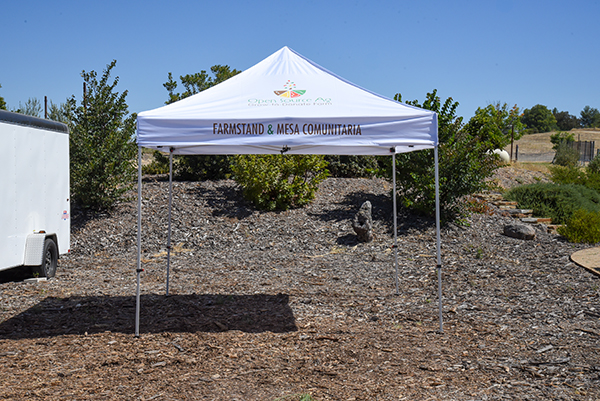
Alongside Poppy, we will offer healthy food preparation hands-on activities, and kids’ craft projects in English and Spanish. The hands-on activities include a canopy for shade and chairs and tables for making and socializing.
- Health – Many service work individuals juggle multiple jobs or long hours; families may turn to fast food, takeout, or prepared foods that are quicker to prepare and less nutritious.
- Nutrition – We offer hands-on activities on healthy and doable food after a long day at work.
- Healthy Living – We offer fresh produce based on popular meals like soups, stews, and one-pot meals, with instructions anyone in the household can follow.
Planned Outcomes
- More participants regularly obtain affordable, chemical-free fruits and vegetables.
- More individuals and families from food-insecure and underserved groups participate.
- Participants report greater food security on weekends when food assistance is unavailable.
- High levels of satisfaction with the quality, affordability, and experience of the mobile pantry and learning center.
- Reductions in food insecurity, such as fewer skipped meals or increased ability to provide balanced meals at home.
- Participants report using all or most of the produce and ingredients received from the mobile pantry.
- Participants demonstrate an increased understanding of healthy eating and the benefits of fresh produce.
- Participants gain confidence and practical skills in preparing healthy, affordable meals using distributed produce.
- Children and adults actively participate in cooking demonstrations, food tastings, and nutrition-related crafts.
- Participants report or demonstrate making healthier food choices at home.
- Families use recipes and cooking techniques learned through the program.
- The project fosters a welcoming environment where participants feel respected and valued.
- Participants become more aware of other local food, health, and social services through project partnerships and referrals.
- Strong collaborations with local organizations, schools, and businesses that support ongoing outreach and service delivery.
- The project develops best practices and a replicable model for serving rural, food-insecure communities.
- The project develops ROI processes and recommendations for scale.
- The project develops and shares a detailed plan for other organizations to adopt and adapt.
- These outcomes provide a comprehensive framework for measuring the project’s impact on access, knowledge, behavior, community well-being, and long-term sustainability.